

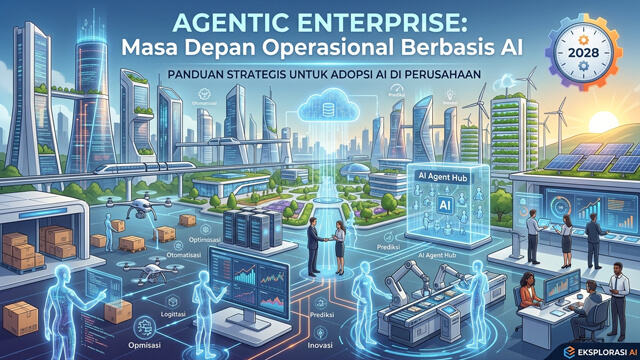
This article discusses the Agentic Enterprise, a concept where autonomous AI agents play a central role in optimizing and automating business operations independently. We explore the definition, key functions, implementation steps, and advantages of this technology for the future of business.
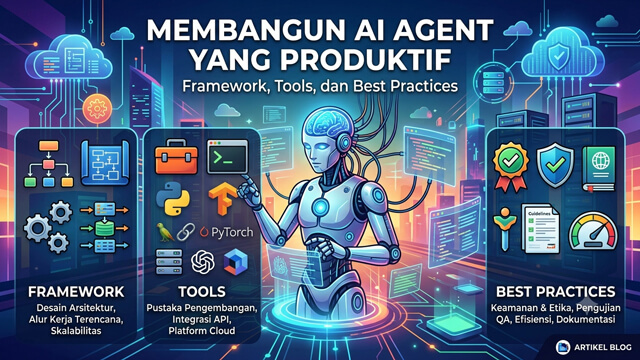
This article provides an in-depth guide to building productive and efficient AI Agents for various business and software development needs. We explore popular frameworks, key supporting tools, and best practices for designing autonomous and reliable agentic systems. Through this guide, developers can optimize artificial intelligence workflows in a structured manner.
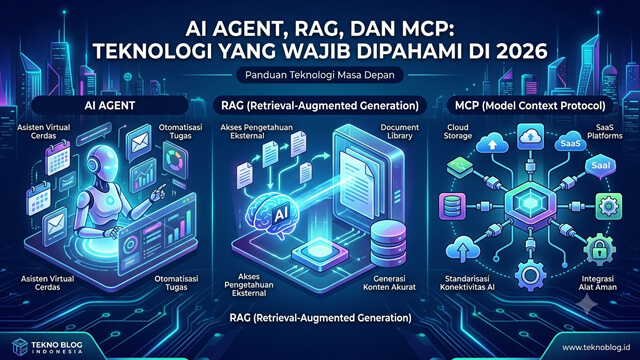
This article explores three core pillars of artificial intelligence technology in 2026: AI Agents, Retrieval-Augmented Generation (RAG), and the Model Context Protocol (MCP). These technologies complement each other to create AI systems that are more autonomous, context-aware, and integrated with various external platforms. Understanding their integration is crucial for developers and technology leaders to build efficient future solutions.
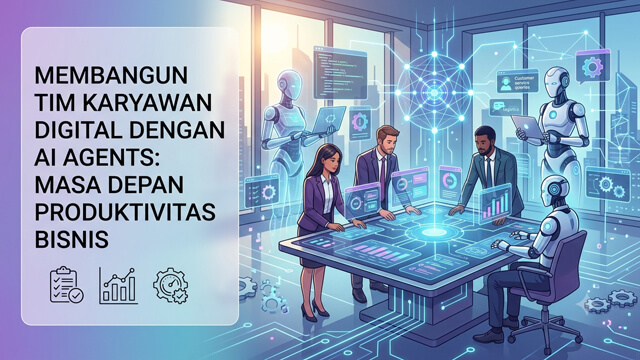
The development of artificial intelligence technology has significantly transformed the business operational landscape through the concept of digital employees. This article discusses how organizations can design, integrate, and manage teams of AI agents to enhance work efficiency. With proper implementation, collaboration between humans and artificial intelligence will become the key driver of business success in the modern era.
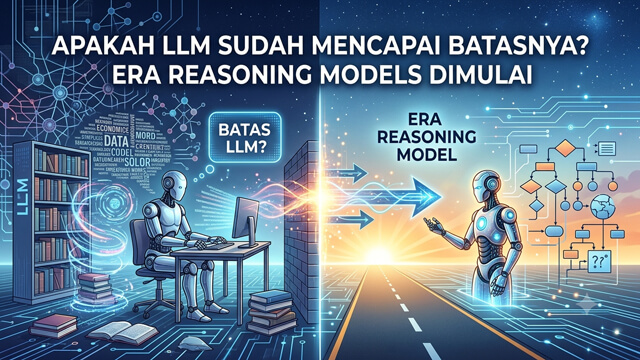
This article discusses the crucial transition from traditional large language models (LLMs) to the new era of reasoning models. We analyze whether the scaling limits of current LLMs signal the end of AI innovation or the beginning of the next technological leap. Through an in-depth discussion, discover how reasoning models employ multi-step logical reasoning to solve complex problems that were previously out of reach for ordinary AI.
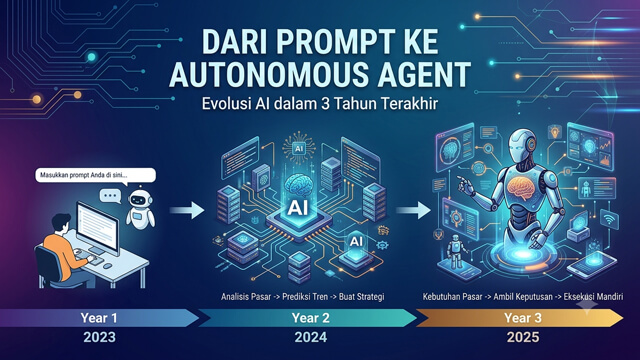
This article discusses the development of artificial intelligence technology from simple instructions (prompts) to autonomous agents capable of making independent decisions. We review the definitions, key functions, implementation steps, and advantages of this technology in the modern industrial landscape. This evolution marks a new chapter where AI no longer just responds but acts proactively.
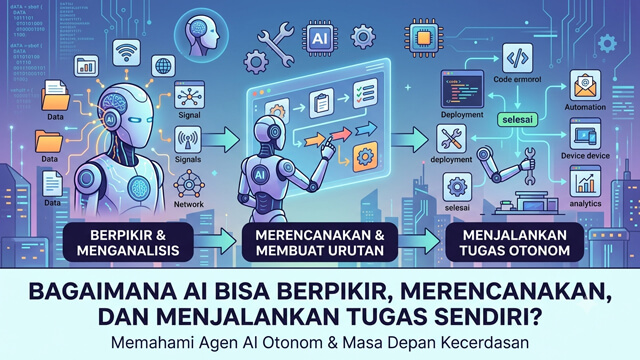
This article explores the concept of autonomous artificial intelligence or Agentic AI, which is capable of thinking, planning, and executing tasks independently without constant human intervention. We explain how it works, its key functions, implementation steps, and the benefits of this revolutionary technology in modern industry. Through a deep understanding of intelligent agents, readers will see how the future of automation is shaped by proactive systems.
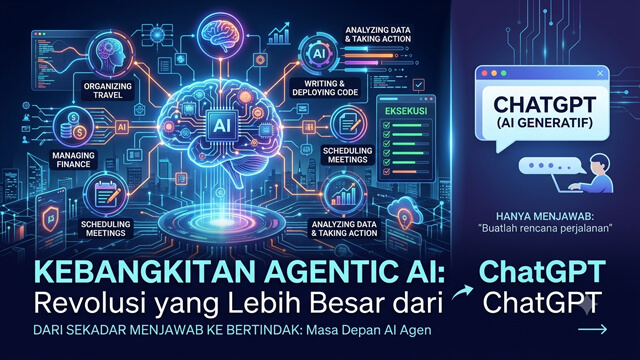
Agentic AI represents the next phase in the evolution of artificial intelligence, moving from simple responsive systems to autonomous agents capable of planning and executing complex tasks independently. This article explores why this technology is considered a bigger leap than ChatGPT and how it will transform the global technology landscape. Readers will understand the definition, key functions, implementation steps, and main advantages of this revolutionary technology.
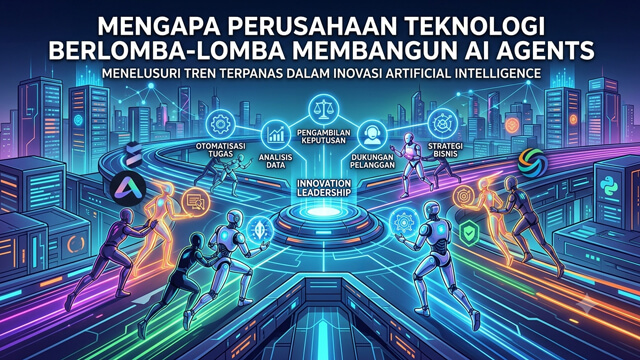
This article explores the reasons behind global tech companies developing autonomous AI agents. We examine the definition, key functions, implementation steps, and strategic advantages of this technology for the future of business.
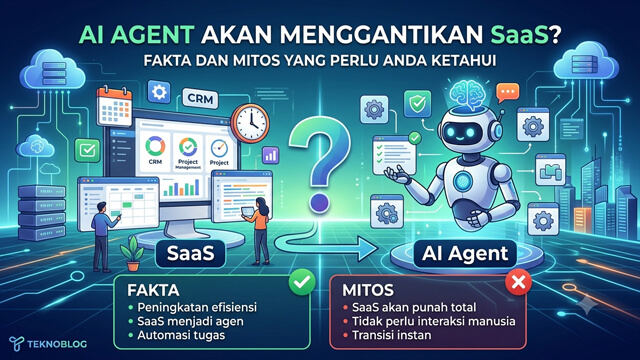
This article examines the debate on whether autonomous AI Agents will replace SaaS in the future. This analysis presents operational facts and myths that technology industry players need to understand.
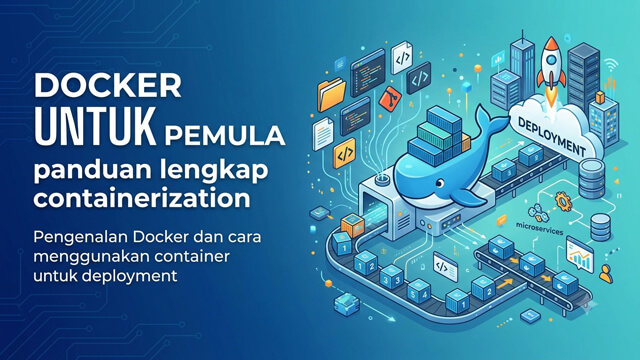
Docker revolutionizes the way developers build, test, and deploy applications using containerization technology. This comprehensive guide explains the fundamental concepts of Docker, its key functions, and practical steps to start deployment for beginners. By understanding Docker, you can ensure your application runs consistently across any environment.
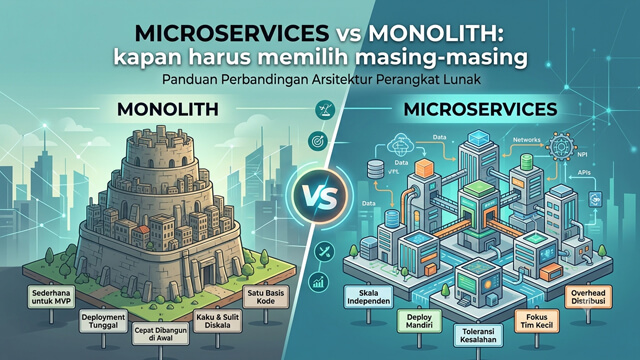
This article provides an in-depth comparison between microservices and monolithic architectures along with their key trade-offs. Discover practical guidance to determine which architecture best suits your project scale, team size, and business needs.