Understanding JAMstack: A New Way to Build Fast Websites
Introduction
In the modern web development landscape, speed, security, and scalability are key factors in building an optimal website. One emerging approach that is gaining popularity is JAMstack. This concept offers a lighter, faster, and more efficient solution compared to traditional architectures.
This article will provide a detailed overview of JAMstack, how it works, its benefits, and how to implement it in web development.
What is JAMstack?
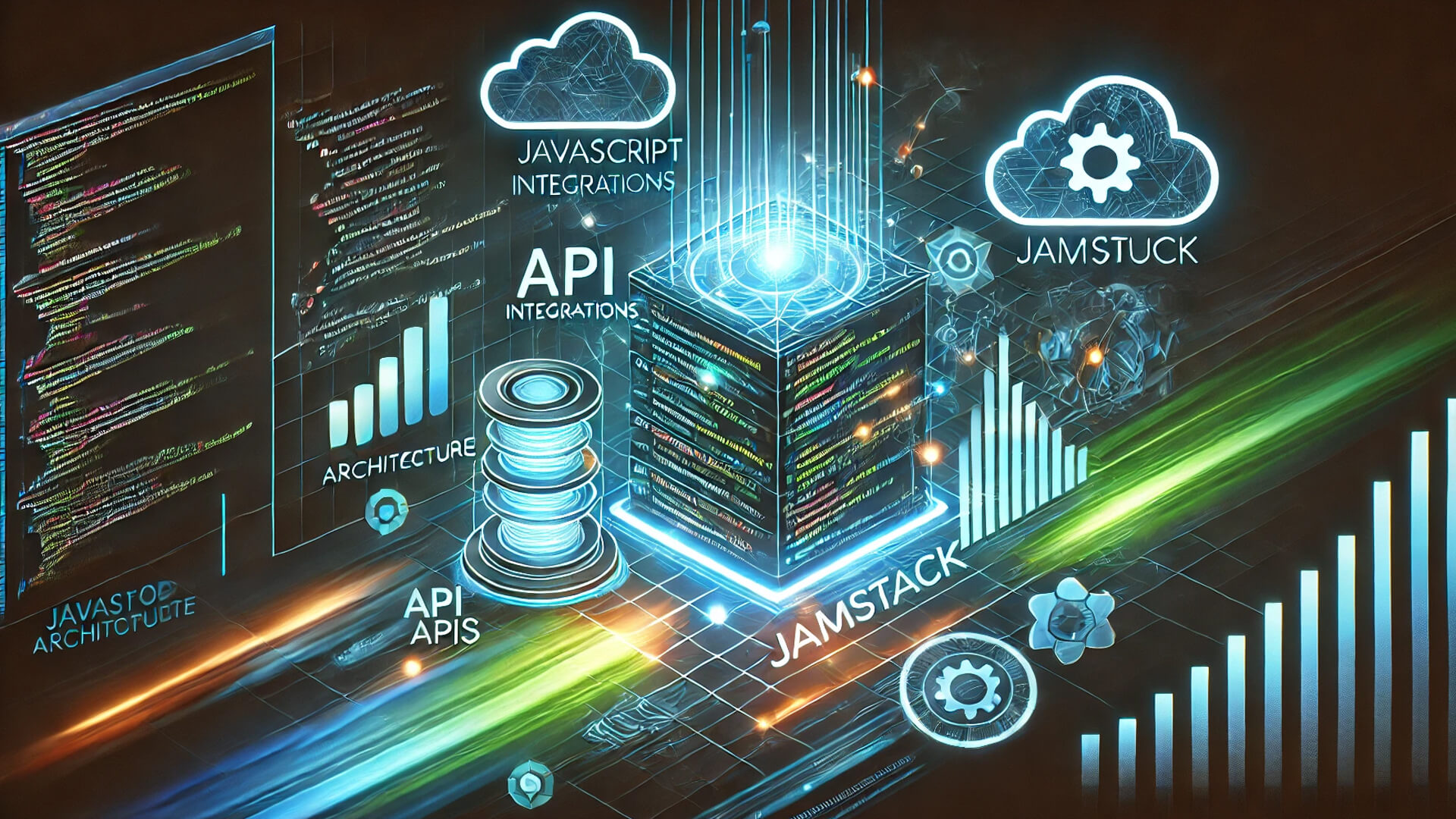
JAMstack is a web architecture approach that relies on three main components:
-
JavaScript
-
APIs
-
Markup
Unlike traditional models that often depend on monolithic servers, JAMstack prioritizes pre-rendering and edge computing to create faster and more secure websites.
Key Components of JAMstack
-
JavaScript
Handles interactivity and dynamic functionality on the website. JavaScript connects the frontend to the backend through APIs. -
APIs (Application Programming Interfaces)
Backend services are managed through APIs, such as RESTful APIs or GraphQL, enabling developers to use third-party services or headless backends. -
Markup
Content is built as static HTML generated using Static Site Generators (SSG) like Next.js, Gatsby, Hugo, or Jekyll.
Differences Between JAMstack and Traditional Architecture
| Aspect | Traditional Architecture | JAMstack |
|---|---|---|
| Speed | Depends on server-side rendering, slower | Faster due to static content |
| Security | More vulnerable due to complex backend | More secure with a separate backend |
| Scalability | Requires backend server scaling | Easily scalable via CDN |
| Maintenance | Requires server-side configuration | Simpler with fewer backend dependencies |
Benefits of Using JAMstack
1. Higher Speed
JAMstack websites are hosted via Content Delivery Networks (CDNs), making them significantly faster than traditional server-based sites.
2. Better Security
With no direct server handling requests, attacks like SQL Injection and DDoS become much harder to execute.
3. Easy Scalability
JAMstack websites can easily expand by distributing their content across multiple global servers via CDNs.
4. Simplified Management
By relying on APIs and static systems, developers don't have to worry about maintaining complex servers.
5. Better Developer Experience
Development workflows are more structured with Git-based deployment, making it easier to manage.
Technologies Supporting JAMstack
-
Static Site Generators (SSG)
-
Next.js
-
Gatsby
-
Hugo
-
Jekyll
-
-
Headless CMS
-
Contentful
-
Sanity.io
-
Strapi
-
Ghost
-
-
Deployment & Hosting
-
Vercel
-
Netlify
-
Cloudflare Pages
-
GitHub Pages
-
-
Database & API
-
Firebase
-
Supabase
-
Hasura
-
FaunaDB
-
How to Implement JAMstack
1. Choosing a Static Site Generator (SSG)
Use frameworks like Next.js or Gatsby to create static websites that automatically generate content from backend data.
npx create-next-app my-jamstack-site
cd my-jamstack-site
npm run dev
2. Using APIs for Backend
Instead of building a backend from scratch, use third-party APIs or Headless CMS to manage data. For example, fetching data from Contentful:
fetch('https://cdn.contentful.com/spaces/{space_id}/entries?access_token={access_token}')
  .then(response => response.json())
  .then(data => console.log(data));
3. Hosting on a CDN-based Platform
Once the website is ready, use platforms like Vercel or Netlify for free and automated hosting.
git push origin main
4. Performance Optimization
-
Use lazy loading for images and static assets
-
Leverage server-side caching for API calls
-
Minimize excessive JavaScript usage for frontend rendering
When to Use JAMstack?
JAMstack is suitable for various types of projects, especially:
-
Blogs & News Websites (with frequently updated content)
-
Landing Pages & Portfolio Websites
-
E-commerce (using headless backends like Shopify or Snipcart)
-
Web Applications Requiring High Performance
However, if a project requires complex real-time interactions, such as analytics dashboards or social applications, a server-side rendering (SSR) or hybrid approach may be more appropriate.
Conclusion
JAMstack is a revolutionary approach to web development that offers speed, security, and easy scalability. By combining JavaScript, APIs, and Markup, developers can build lightweight and efficient websites compared to traditional architectures.
If you want to develop a modern website with optimal performance, JAMstack is a solution worth considering.