Why Does AI Need Extremely Powerful Hardware? Comparing OpenAI and DeepSeek's Infrastructure
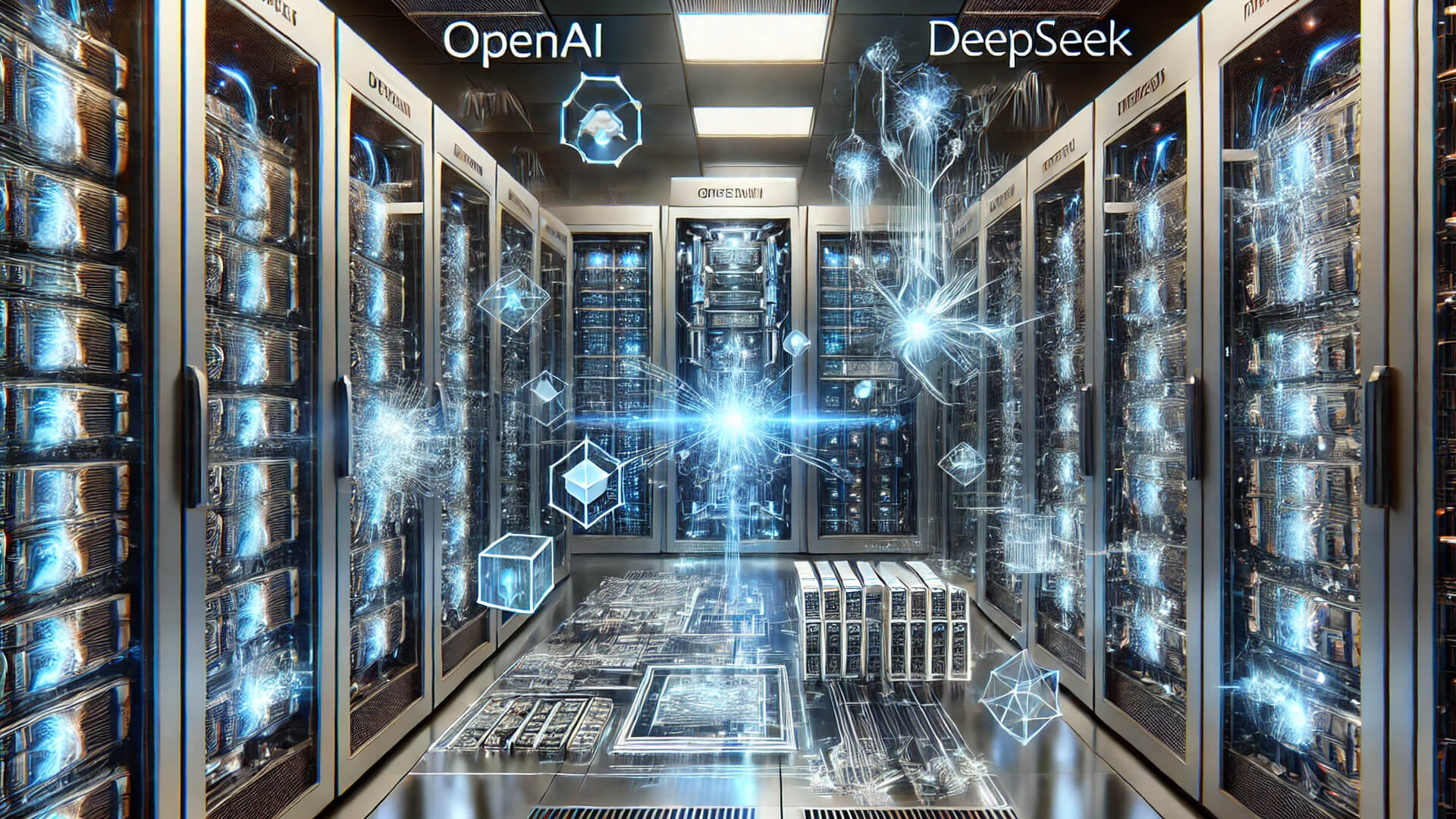
Modern artificial intelligence (AI) requires massive computational resources. From deep learning models to generative AI, every innovation demands increasingly advanced hardware. This article explores why AI needs powerful hardware and compares the infrastructures used by OpenAI and DeepSeek.
Why Does AI Need High-Performance Hardware?
-
Intensive AI Model Training
Large AI models like GPT-4 and DeepSeek require billions of parameters to be processed. Training these models can take weeks or even months in data centers equipped with thousands of GPUs or TPUs. -
Fast and Efficient Inference
Once trained, AI models must provide real-time responses. This demands hardware capable of handling high-performance computing with minimal latency. -
Power Consumption and Cooling
AI hardware generates excessive heat, necessitating advanced cooling systems to maintain efficiency. -
Large Data Storage
AI models process vast amounts of data, requiring high storage capacities and fast data access.
Hardware Comparison: OpenAI vs DeepSeek
| Feature | OpenAI | DeepSeek |
| Chip Type | NVIDIA A100/H100 | NVIDIA A100 and Chinese alternatives |
| GPU Count | Thousands in Microsoft Azure data centers | Thousands in independent data centers |
| Storage System | High-speed NVMe SSDs | SSDs and distributed storage systems |
| AI Support Infrastructure | Microsoft supercomputers | Open-source-based infrastructure |
| Power Efficiency | Optimized with liquid cooling | High-efficiency modular servers |
Conclusion
Both OpenAI and DeepSeek rely on cutting-edge hardware to develop their AI models. OpenAI benefits from Microsoft Azure's powerful infrastructure, while DeepSeek takes a more independent approach with alternative GPUs and open-source systems. In the future, efficiency and innovation in AI hardware will play a crucial role in the competition for generative AI dominance.