Understanding Processors with Built-In AI: Technology and Benefits
What Is a Processor with Built-In AI?
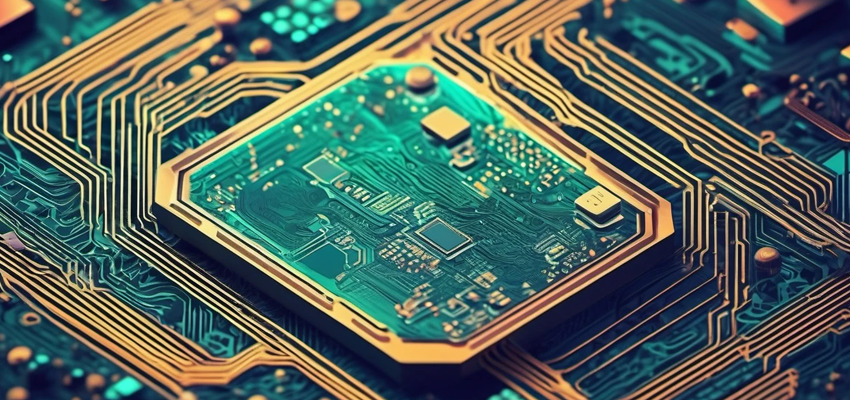
A processor with built-in AI, often called an AI-Accelerated Processor or AI Processor, is a type of processor designed specifically to improve the efficiency and speed of running artificial intelligence (AI) and machine learning algorithms. Unlike traditional processors, which generally only handle general data processing tasks, processors with built-in AI are equipped with additional processing units optimized for AI operations.
These processors are often used in a wide range of devices, from smartphones and tablets to IoT (Internet of Things) devices and cloud computing systems. With AI built into the processor, devices can perform AI-related tasks, such as image recognition, natural language processing, and data analysis, faster and more efficiently.
The Technology Behind Processors with AI
Processors with built-in AI usually integrate several key technologies that enable more efficient AI processing:
-
AI Processing Units (APUs):
- Specialized Design: APUs are designed specifically to handle AI operations, such as matrix multiplication and non-linear functions that are common in deep learning algorithms.
- Performance Improvement: APUs speed up AI computation by optimizing the hardware architecture for specific operations.
-
Tensor Processing Units (TPUs):
- Tensor Computation: TPUs are a type of processor optimized for tensor computation, which is a basic component of many AI algorithms. TPUs were developed by Google and are used in its cloud services to run deep learning models.
-
Parallel Processing Architecture:
- Parallel Processing: AI processors often implement a parallel processing architecture, in which many operations can be performed at the same time. This is very effective for AI tasks that require processing large amounts of data simultaneously.
-
Hardware Acceleration:
- Hardware Acceleration: Some AI processors include hardware accelerators, such as integrated AI acceleration units, that can speed up AI inference (using an already-trained model to make predictions).
-
Neural Processing Units (NPUs):
- Neural Network Optimization: NPUs are designed specifically to optimize the processing of artificial neural networks, increasing the speed and efficiency of processing AI models.
Benefits of Processors with Built-In AI
-
Improved AI Performance:
- Inference Speed: Processors with built-in AI can increase the inference speed of AI models, allowing devices to respond to input faster and make decisions faster.
- Energy Efficiency: By shifting AI workloads from the main CPU to specialized processing units, AI processors can improve energy efficiency, extending battery life on mobile devices.
-
Better Data Processing:
- Image and Voice Recognition: AI processors can perform tasks such as image and voice recognition with high accuracy, enabling features like facial recognition and more responsive voice assistants.
- Natural Language Processing: These processors can speed up natural language processing, improving a device's ability to understand and respond to voice or text commands.
-
Improved User Experience:
- Personalization: AI processors can process user data to provide more personalized experiences, such as relevant product or content recommendations.
- Enhanced Features: Advanced features such as augmented reality (AR) and virtual reality (VR) can be smoother and more responsive with the support of AI processors.
-
Edge Computing Capability:
- Computing at the Edge: AI processors enable computing at the edge (close to the data source) rather than in the cloud, reducing latency and improving response speed in applications such as video surveillance or autonomous vehicles.
Examples of Processors with Built-In AI
-
Apple A15 Bionic:
- Neural Engine: This chip has a 16-core Neural Engine designed to accelerate machine learning tasks, including image recognition and natural language processing.
-
Qualcomm Snapdragon 888:
- AI Engine: The Snapdragon 888 is equipped with an AI Engine that enables improved AI capabilities in mobile devices, including more advanced image and video processing.
-
Google Tensor Processing Unit (TPU):
- Google Cloud: TPUs are used in Google's cloud services to run deep learning models with high efficiency.
-
Huawei Kirin 9000:
- NPU: The Kirin 9000 is equipped with an NPU that improves AI performance on Huawei devices, enabling features such as image processing and smarter cameras.
Drawbacks and Challenges of Processors with Built-In AI
-
Design Complexity:
- Complicated Design: Integrating AI processing units into a processor requires complex hardware design, which can increase development and production costs.
-
Compatibility Issues:
- Software Limitations: Some software or applications may not fully take advantage of the processor's AI capabilities, limiting the potential benefits.
-
Power Consumption:
- Energy Consumption: Although AI processors can improve overall energy efficiency, some specialized processing units can have higher power consumption in intensive mode.
-
Privacy Concerns:
- Data Collection: Using AI processors often involves collecting and processing user data, which can raise concerns about data privacy and security.
Conclusion
Processors with built-in AI are an important innovation in the world of technology that allow devices to run AI-based applications and features with high efficiency and speed. By supporting technologies such as AI Processing Units (APUs), Tensor Processing Units (TPUs), and Neural Processing Units (NPUs), these processors improve devices' capabilities in image recognition, natural language processing, and many other advanced applications. Although there are challenges and drawbacks related to design, compatibility, and privacy, advances in AI processors continue to open new opportunities and improve the user experience across many technology sectors.