The Future of AI: Will Open Source Models Surpass GPT-4 and GPT-5?
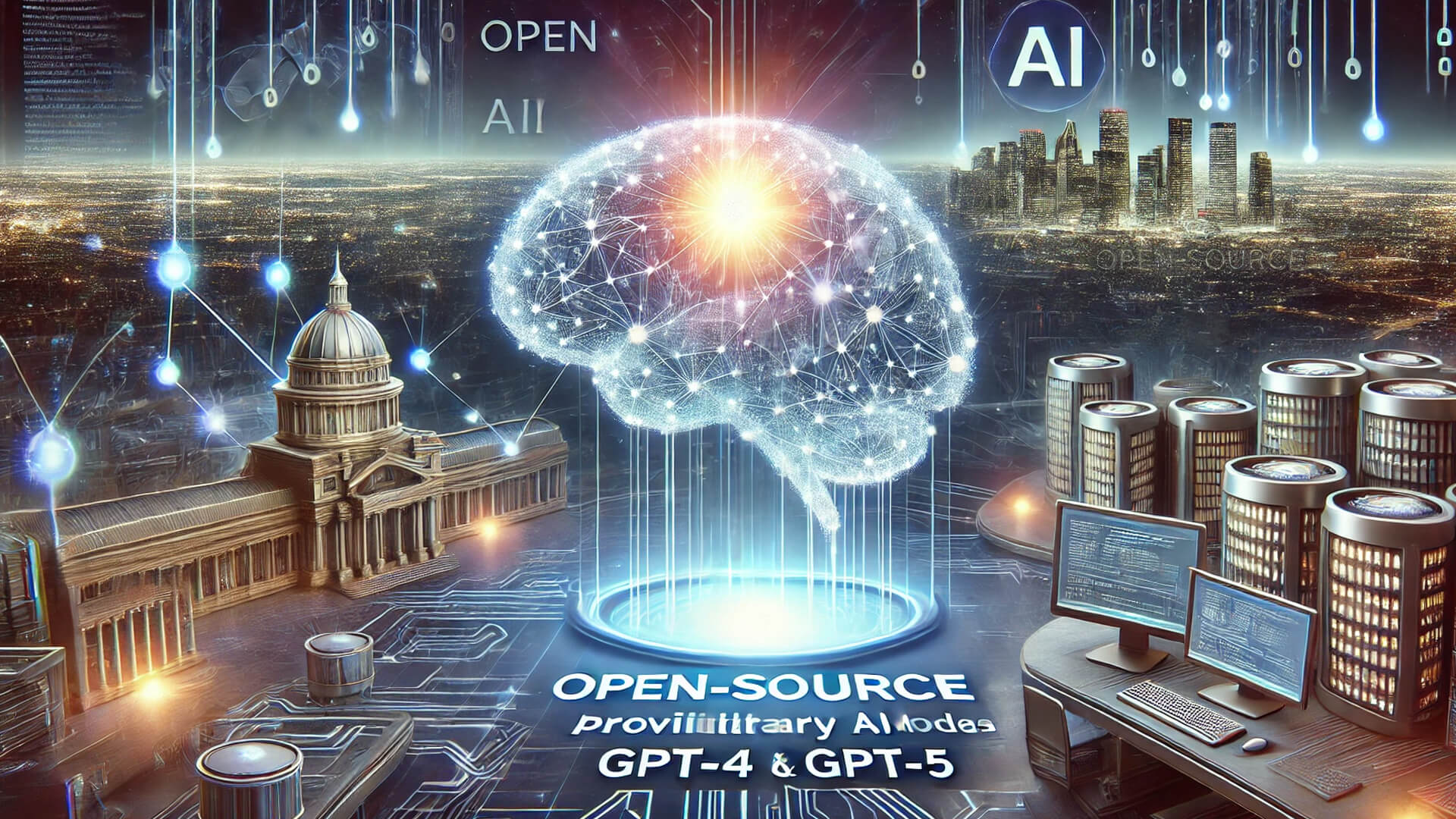
In the world of artificial intelligence (AI), open-source models are rapidly evolving and beginning to challenge the dominance of closed AI models like OpenAI's GPT-4 and GPT-5. With a growing community contributing to the development of open-source AI, the question arises: can these models surpass the exclusivity of GPT technology? This article will explore the advantages, challenges, and potential of open-source AI models in competing with GPT-4 and GPT-5.
Advantages of Open-Source AI Models
-
Transparency and Collaboration
Open-source AI models provide full access to source code, allowing researchers and developers to understand, modify, and improve the technology collectively. -
More Affordable Costs
With open-source models, companies and individuals do not have to pay high fees to access advanced artificial intelligence, unlike licensed GPT models. -
Flexibility and Adaptability
Users can customize open-source AI models to meet their specific needs, whether for research, business, or specialized applications. -
Better Security and Privacy
With open code, users can ensure there is no unwanted tracking or data collection, a significant concern with closed AI models.
Challenges Faced by Open-Source Models
-
Lack of Computational Resources
GPT-4 and GPT-5 are developed with the support of powerful supercomputer infrastructure, which is difficult for open-source projects to match without significant funding. -
Quality of Training Data
OpenAI has access to vast and high-quality datasets, while open-source models often struggle to obtain comparable data. -
Sustained Support and Development
Although there are many contributors to open-source projects, the sustainability of development often depends on community support and donations, which can be unstable compared to corporate funding.
Future Trends in Open-Source AI
-
Collaboration with Tech Companies
Some major companies are beginning to support open-source AI to accelerate innovation, as seen with Meta's AI models. -
Emergence of Hybrid AI Models
A combination of open-source models and cloud-based computing infrastructure could enhance performance without sacrificing transparency. -
Increased Regulation and Standardization
Governments and international organizations are beginning to monitor open-source AI development to ensure its safety and ethical use.
Conclusion
Open-source AI models hold great potential to challenge GPT-4 and GPT-5 with advantages in transparency, flexibility, and cost. However, challenges in computational resources and data quality remain significant hurdles. The future of AI will likely see a synergy between open-source and closed models, creating a more inclusive and innovative AI ecosystem.