OpenAI's Major Leap in Multi-Modal AI: What Can We Expect?
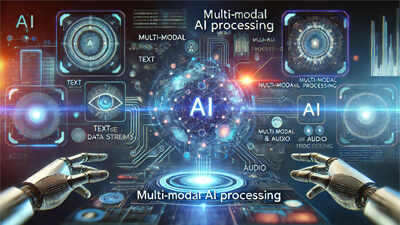
OpenAI continues to push the boundaries of artificial intelligence by developing multi-modal models that can process various types of input, such as text, images, audio, and video. This breakthrough opens up new possibilities for AI applications across multiple industries. This article explores what multi-modal AI is, OpenAI’s innovations, and its potential impact in the future.
What Is Multi-Modal AI?
Multi-modal AI refers to artificial intelligence models capable of understanding and integrating different types of data simultaneously. Unlike traditional models that focus on a single input type (e.g., text in chatbots), multi-modal AI can:
-
Process text and images together for deeper contextual understanding.
-
Analyze videos by combining visual and audio elements for more accurate insights.
-
Use multi-modal data to enhance machine-human interactions.
OpenAI’s Innovations in Multi-Modal AI
OpenAI has introduced several advancements that push multi-modal AI to new heights:
-
Integration of GPT with Vision Models
OpenAI’s latest GPT models can now interpret images, providing descriptions and analysis of visual content. -
Support for Audio and Video
OpenAI is developing technologies that enable AI models to understand and respond to voice and video inputs directly. -
Implementation in Smart AI Assistants
With multi-modal capabilities, AI assistants can interact more naturally with humans, such as identifying objects in images or translating audio conversations in real-time.
Impact and Potential of Multi-Modal AI
-
Enhanced AI Interaction with Users
Multi-modal models allow AI to provide more complex and natural responses in various scenarios. -
Revolutionizing Multiple Industries
From healthcare to e-commerce, multi-modal AI can assist in medical diagnosis through image analysis, recommend products based on visual preferences, and much more. -
Ethical and Privacy Challenges
With expanding capabilities, regulations around multi-modal data usage must be strengthened to protect user privacy.
Conclusion
OpenAI’s major strides in multi-modal AI pave the way for more advanced innovations in artificial intelligence. By integrating multiple data types, these models have immense potential to improve AI-human interactions and impact various industries. However, challenges such as data security and ethical considerations must remain a top priority.