How AI is Transforming the Way We Develop Applications
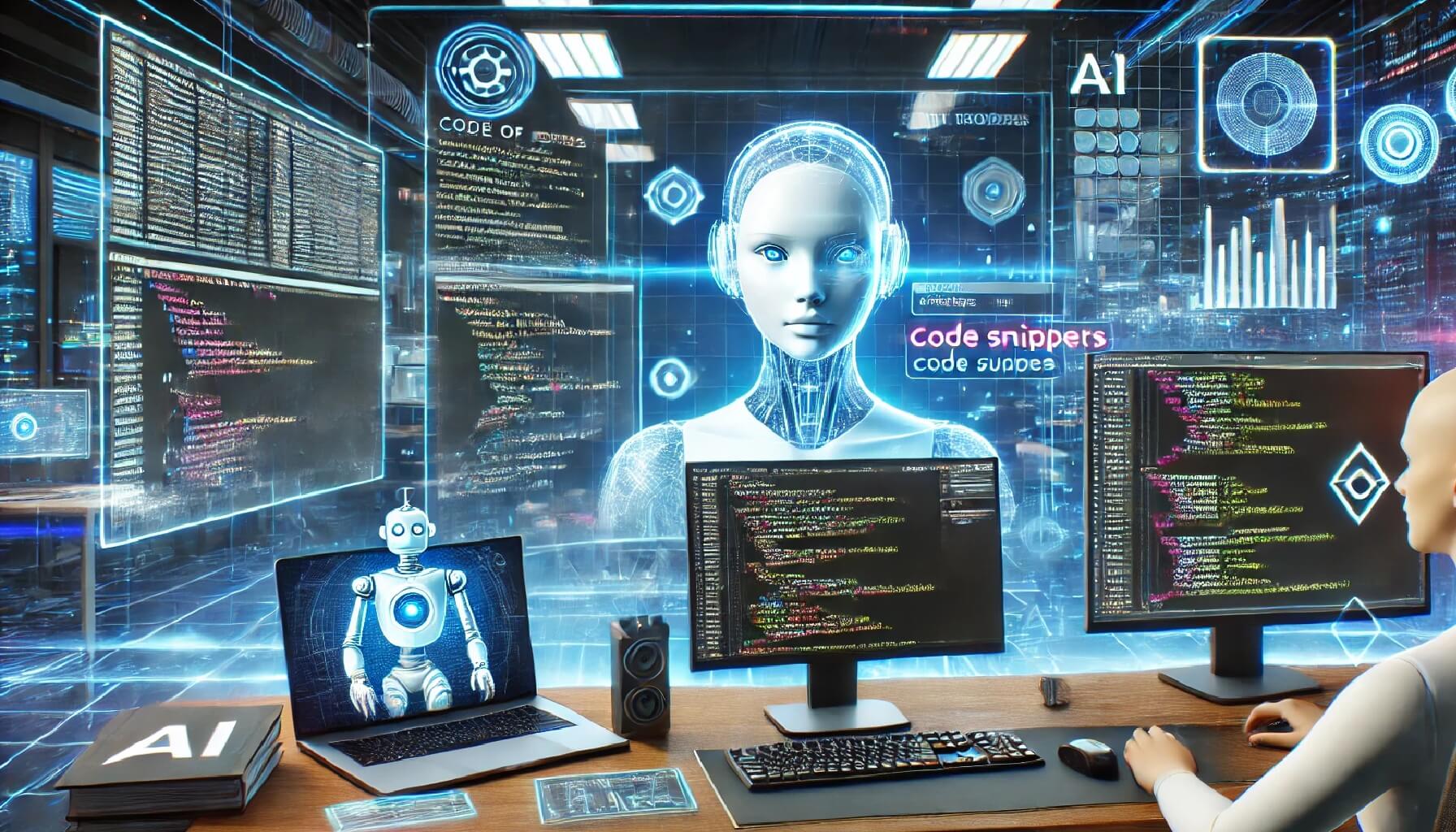
Artificial Intelligence (AI) has revolutionized many industries, including application development. With its ability to analyze vast amounts of data, make predictions, and automate complex tasks, AI has become an invaluable tool for developers. This article explores how AI is changing the way we develop applications, from planning and coding to debugging, deployment, and maintenance.
1. AI in Application Planning and Design
1.1. AI for User Needs Analysis
Before developing an application, the first step is to understand user needs. AI helps developers by:
- Analyzing User Data: AI processes data from social media, surveys, and user interactions to identify the most desired features.
- Predicting Trends: Machine learning enables AI to recognize patterns and forecast future application trends.
- Competitor Analysis: AI can collect and compare data from similar applications, providing insights into features that can be improved or added.
1.2. AI in UI/UX Design
In terms of user interface (UI) and user experience (UX) design, AI plays a role in:
- Analyzing User Navigation Patterns: AI learns how users interact with an app and suggests design improvements to enhance usability.
- Assisting in Prototyping: AI-powered tools like Adobe Sensei and Uizard can quickly generate prototypes based on text descriptions or sketches.
- Improving Accessibility: AI optimizes applications for users with special needs by enabling features like voice recognition and text-to-speech.
2. AI in the Application Development Process
2.1. AI in Writing Code
AI has accelerated coding by helping developers in various ways:
- Autocompletion and Code Suggestions: Tools like GitHub Copilot, Tabnine, and CodeWhisperer use AI to provide accurate code suggestions based on context.
- Automated Code Generation: AI can write code based on natural language descriptions, saving time in feature development.
- Detecting and Fixing Errors: AI identifies bugs in code early and provides recommendations for fixes.
2.2. AI in Debugging and Testing
Code errors can be critical, but AI assists in:
- Automatic Bug Detection: AI finds hard-to-detect bugs before applications undergo testing.
- Automated Testing: AI-powered tools like Test.ai conduct automated tests to evaluate an application’s performance in different conditions.
- Efficient Code Analysis: AI can review thousands of lines of code much faster than humans.
3. AI in Deployment and Maintenance
3.1. AI in Deployment and CI/CD
Continuous Integration/Continuous Deployment (CI/CD) is crucial in application lifecycle management. AI helps by:
- Automating Deployment: AI ensures applications are deployed in the right environments with optimal configurations.
- Performance Optimization: AI analyzes server logs and optimizes infrastructure to prevent bottlenecks.
- Cloud Resource Management: AI optimizes cloud resource usage, reducing costs and improving efficiency.
3.2. AI in Application Maintenance and Updates
Even after an application is released, AI continues to play a role by:
- Monitoring Application Performance: AI tracks metrics such as response times and error rates to detect problems before they impact users.
- Predicting Issues Before They Occur: AI identifies patterns that may lead to crashes or downtime and provides early warnings.
- Generating Automatic Patches and Updates: AI writes security patches and updates to improve stability and security.
4. AI in Application Security
4.1. AI in Threat Detection and Cybersecurity
With cybersecurity threats becoming more sophisticated, AI helps in:
- Real-Time Threat Detection: AI detects anomalies in network traffic and identifies cyberattacks.
- AI for Fraud Detection and Prevention: AI recognizes suspicious activities such as unusual login patterns or fraudulent transactions.
- Automated Vulnerability Fixes: AI scans application code for security flaws and automatically patches them before hackers can exploit them.
5. AI in Personalizing User Experiences
AI enables applications to deliver more personalized experiences by:
- AI-Based Recommendations: Like Netflix and Spotify, AI analyzes user data to provide content recommendations.
- Chatbots and Virtual Assistants: AI improves customer support by allowing chatbots to answer user queries instantly.
- Dynamic UI Adaptation: AI adjusts an app’s interface and features based on user preferences.
6. The Future of AI in Application Development
As AI continues to evolve, several trends will shape the future of application development:
- Generative AI for Code Creation: Models like GPT-4 and Codex will become even more capable of generating entire applications from text-based instructions.
- More Adaptive AI Systems: AI will improve in understanding user needs and providing highly intuitive experiences.
- Deeper AI Integration in Cloud Computing: AI will play a greater role in managing cloud resources and optimizing cloud-based applications.
Conclusion
AI has transformed how we develop applications, from planning and coding to deployment and maintenance. With AI, developers can write code faster, reduce bugs, enhance security, and provide personalized experiences for users.
As AI continues to advance, developers who master this technology will gain a competitive edge in the ever-evolving tech industry.