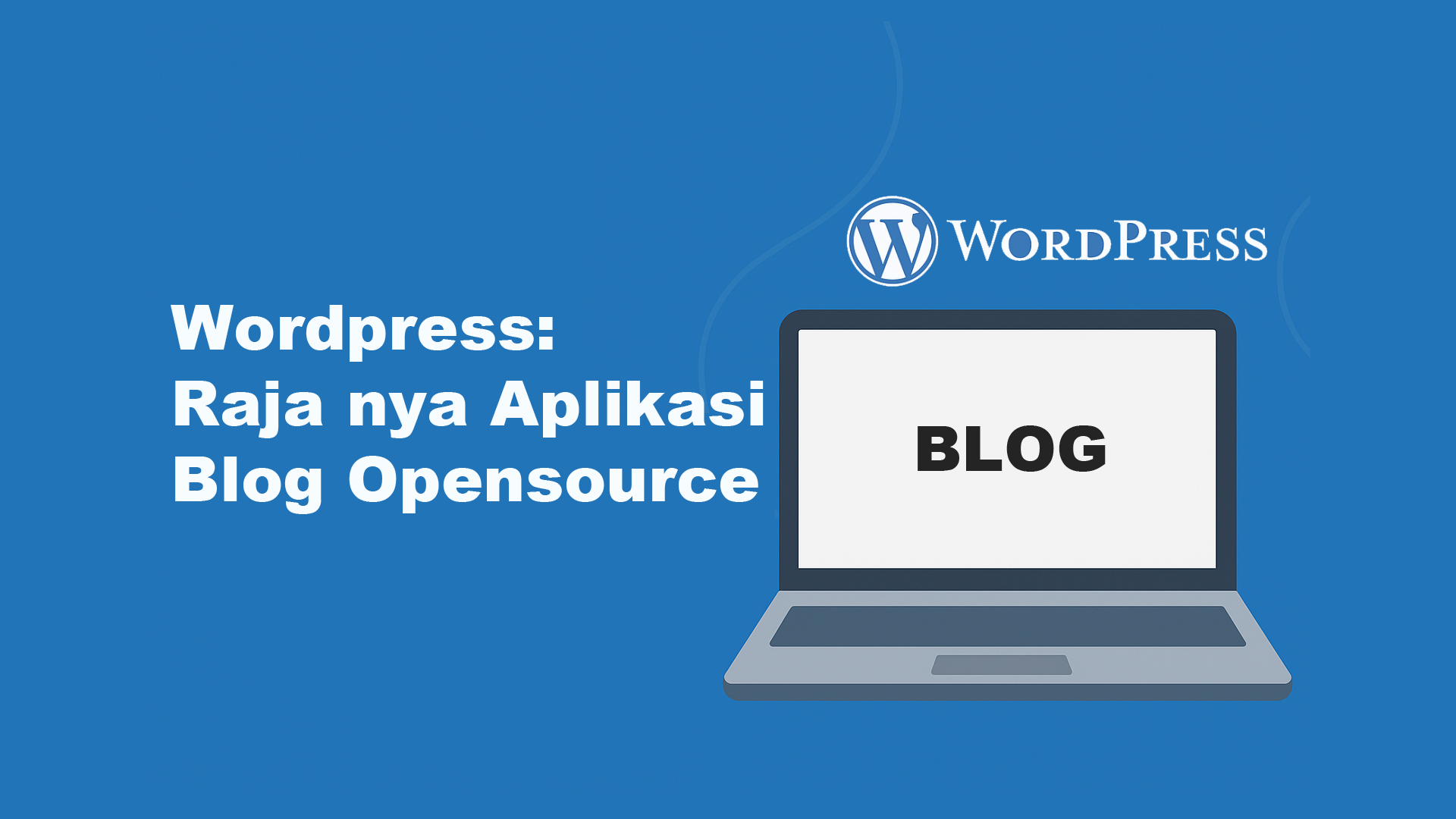
WordPress: The King of Open Source Blogging Platforms
Introduction
When it comes to blogging and website creation, WordPress stands as the most dominant name. As the world’s most popular open source platform, it has empowered millions of users from personal bloggers to major corporations to create and manage their websites easily and efficiently.
This article explores what WordPress is, its history, key advantages, and how to install it.
What Is WordPress?
WordPress is a PHP and MySQL-based Content Management System (CMS) that allows users to build websites without deep programming knowledge.
Originally designed for blogging, WordPress has now evolved into a flexible platform for creating all kinds of sites—from online stores and portfolios to news portals and company websites.
Being open source means WordPress is free to use, edit, and distribute. A large global community continuously contributes to improving its features and developing new plugins.
A Brief History of WordPress
WordPress was created in 2003 from a discontinued project called b2/cafelog. Two developers, Matt Mullenweg and Mike Little, revived the project and released the first version of WordPress to make blogging easier and more customizable.
Since then, WordPress has grown rapidly to dominate the web. Today, it powers more than 40% of all websites, including major brands such as TechCrunch, Sony Music, and The Walt Disney Company.
Advantages of WordPress
Here are some reasons why WordPress is regarded as the “king” of open source blogging platforms:
-
Free and Open Source
WordPress can be downloaded, used, and modified without licensing fees. -
Easy Installation
The installation process is simple, and most hosting services provide one-click installation options. -
Thousands of Themes and Plugins
Users can choose from a massive library of themes and plugins to customize functionality and design. -
SEO Friendly
WordPress is optimized for search engines and works well with plugins like Yoast SEO or Rank Math. -
Active Global Community
Its large community ensures continuous support, tutorials, and updates.
How to Install WordPress
To install WordPress, follow these steps:
-
Download WordPress
Visit wordpress.org and get the latest version. -
Upload to Your Server
Use FTP or your hosting’s File Manager to upload the files. -
Create a Database
Set up a new MySQL database and save the credentials. -
Run Installation Script
Open your domain in a browser and follow the installation wizard. -
Login and Start
Once done, log into the WordPress admin dashboard and start building your website.
Conclusion
WordPress reigns supreme among open source blogging applications thanks to its flexibility, simplicity, and strong community. Whether you’re a beginner or a web developer, WordPress provides the tools and freedom to create professional websites without coding expertise.
If you need a reliable and scalable CMS, WordPress remains the best choice.