Swagger UI: A Tool for Documenting and Using RESTful APIs Easily

In modern application development, RESTful APIs are the backbone of communication between frontend, backend, and third-party services. However, a good API must not only work correctly but also be easy to understand and use. This is where Swagger UI becomes an essential tool for API documentation.
Swagger UI allows developers to read, explore, and test APIs directly from the browser without additional tools.
What Is Swagger UI
Swagger UI is a web-based tool used to display interactive documentation for RESTful APIs. It works based on the OpenAPI specification, which defines API structures using JSON or YAML formats.
With Swagger UI, API endpoints are not just documented but can also be tested in real time.
Why API Documentation Matters
API documentation is critical, especially when:
-
APIs are used by multiple developers
-
APIs are public or shared externally
-
Projects involve large teams
Clear documentation reduces confusion and speeds up development.
Main Features of Swagger UI
-
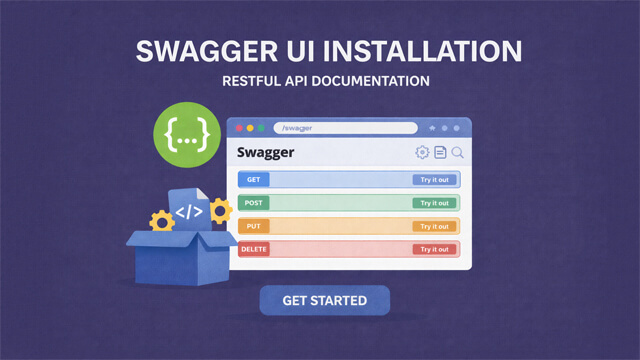
Clear API Endpoint Display
Each endpoint is listed with HTTP methods such as GET, POST, PUT, and DELETE. -
Detailed Parameters and Responses
Swagger UI shows request parameters, data types, and sample responses. -
Live API Testing
Developers can test API endpoints directly from the browser. -
Better Team Collaboration
Both frontend and backend teams use the same reference.
How Swagger UI Works
Swagger UI reads an OpenAPI specification file (usually openapi.json or swagger.yaml). This file describes endpoints, authentication, parameters, and responses. Swagger UI then renders it into an interactive web interface.
Common Use Cases
Swagger UI is widely used for:
-
Backend APIs built with Node.js, Laravel, Spring Boot, or Django
-
Microservices architectures
-
Public APIs for external developers
It is usually accessed via URLs like:
/api-docs or /swagger
Advantages of Swagger UI
-
Free and open source
-
Easy to use
-
Interactive documentation
-
OpenAPI standard support
-
Improves developer productivity
Swagger UI is suitable for both development and production environments.
Limitations of Swagger UI
-
Default UI design is basic
-
Requires well-written OpenAPI specs
-
Not intended for non-API documentation
Despite these limitations, Swagger UI remains one of the best API documentation tools available.
Conclusion
Swagger UI is a powerful solution for documenting and using RESTful APIs. Its interactive interface helps developers save time, improve collaboration, and reduce mistakes. For modern API-based projects, Swagger UI has become an essential standard.