Understanding Edge Computing: The Future Technology That Could Replace Cloud?
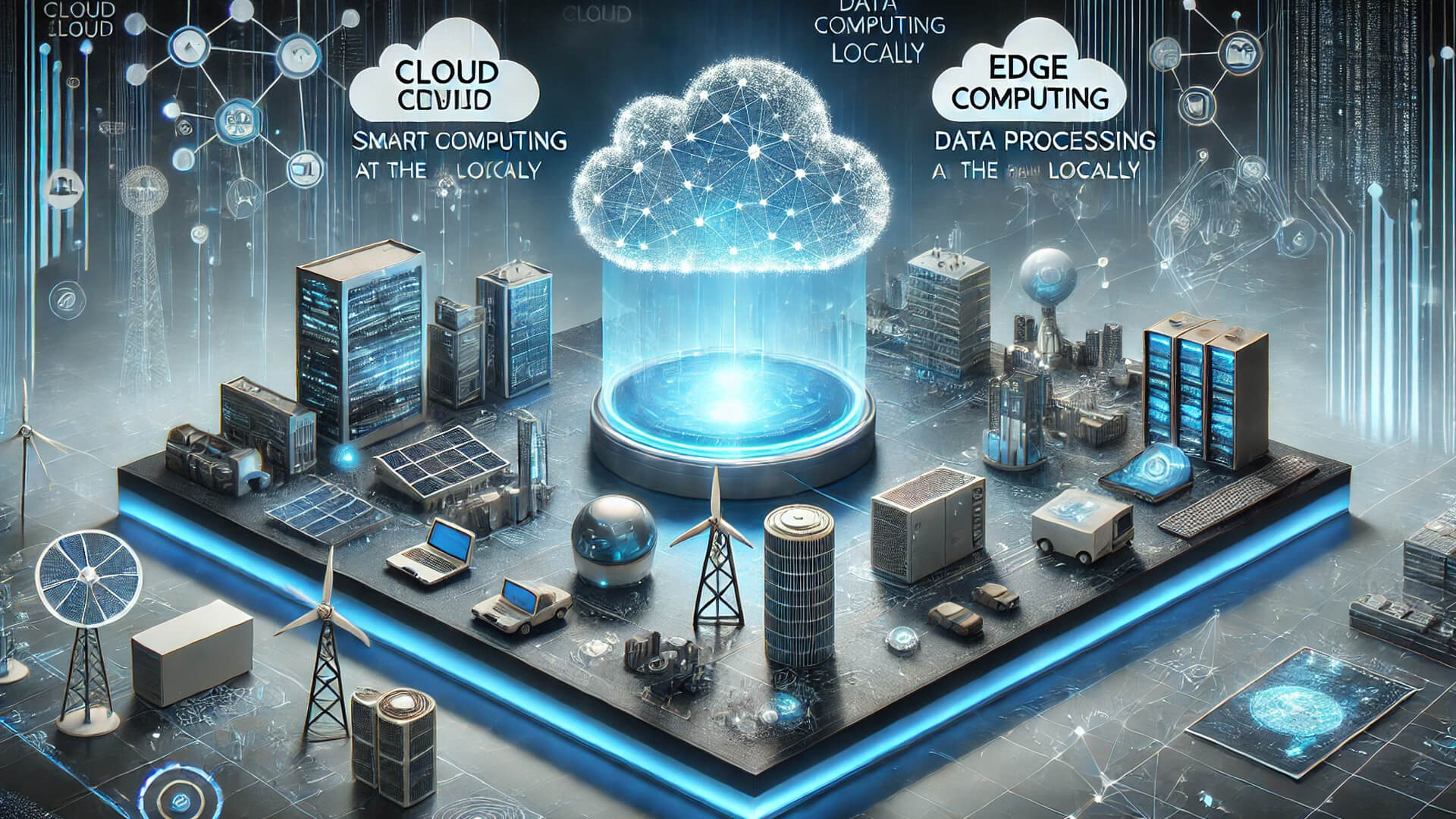
In recent years, Edge Computing has become a hot topic in the world of information technology. Many are questioning whether this technology will replace cloud computing or simply complement it. This article will explore the concept, advantages, and future potential of Edge Computing.
What Is Edge Computing?
Edge Computing is a computing paradigm that processes data closer to its source rather than sending it to a data center or cloud for processing. This approach allows data to be processed faster and more efficiently since it does not have to travel through the internet, which may introduce high latency.
Differences Between Edge Computing and Cloud Computing
| Aspect | Edge Computing | Cloud Computing |
|---|---|---|
| Processing Location | Near the data source (IoT devices, gateways, edge servers) | In a data center or cloud server |
| Speed | Faster due to minimal latency | Slower due to network latency |
| Security | More secure as data is not always sent to the cloud | Higher risk in case of security breaches |
| Scalability | Limited to local devices | More flexible and scalable |
Advantages of Edge Computing
1. Reduced Latency
Processing data closer to the user decreases response times, enhancing user experience.
2. Bandwidth Savings
Since not all data is sent to the cloud, bandwidth usage becomes more efficient.
3. Enhanced Security
Locally processed data is harder to access by external parties, increasing information security.
4. Ideal for IoT and AI
Edge computing supports Internet of Things (IoT) and Artificial Intelligence (AI) applications that require real-time data processing.
Will Edge Computing Replace Cloud Computing?
Despite its many advantages, Edge Computing will not completely replace Cloud Computing. Instead, the two technologies complement each other to improve efficiency and data processing speed. The cloud remains the primary choice for large-scale data storage, while Edge Computing is ideal for scenarios that require real-time processing.
Conclusion
Edge Computing is a technology that offers numerous benefits, especially in accelerating data processing and reducing reliance on cloud services. However, rather than replacing the cloud, it serves as a complementary solution that enables more efficient and distributed data processing. As IoT and AI continue to evolve, Edge Computing will see increasing adoption across various industries.