Understanding Edge Computing: An Alternative to Cloud Computing?
Introduction
In recent years, cloud computing technology has dominated the computing world by providing efficient data storage and processing solutions. However, as the need for speed and low latency increases, an alternative known as Edge Computing has emerged. This technology enables data processing to be performed closer to its source, in contrast to cloud computing, which processes data in centralized data centers. This article will explore the concept, benefits, challenges, and comparison between Edge Computing and Cloud Computing in detail.
What is Edge Computing?
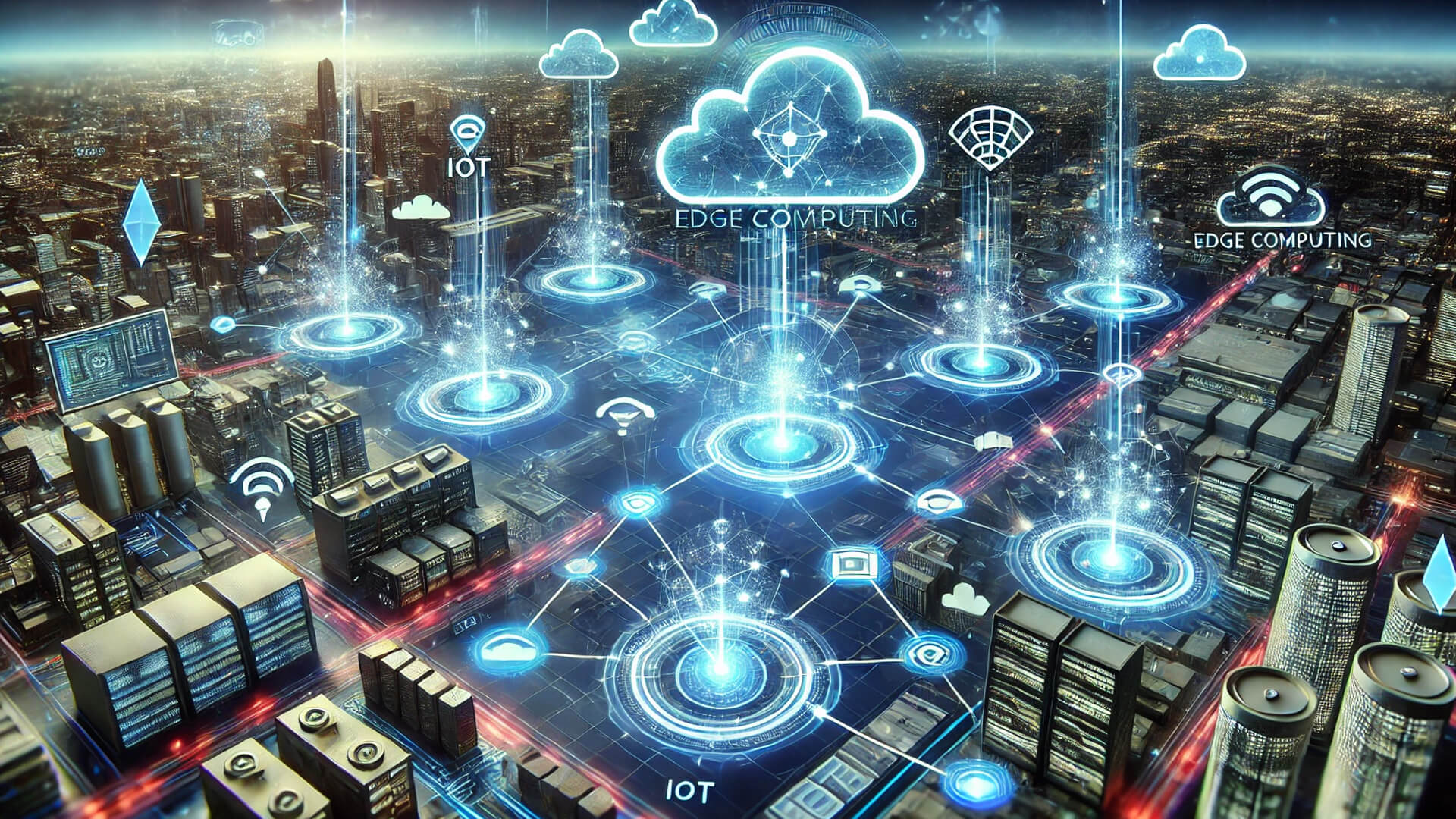
Edge Computing is a computing paradigm that distributes data processing to the edge of the network, meaning closer to the data source. In other words, data does not need to be sent to a cloud or data center for processing; instead, it is processed locally at or near the source.
How Edge Computing Works
-
Data Collection: Sensors and IoT devices collect data from the surrounding environment.
-
Processing at the Edge Node: The data is processed locally on an edge device or gateway.
-
Transmission to the Cloud (Optional): Only necessary data is sent to the cloud or data center for further analysis or storage.
Benefits of Edge Computing
1. Reduced Latency
Since processing occurs closer to the data source, the time required to send and receive data is significantly shorter than with cloud computing.
2. Bandwidth Efficiency
By reducing the need to send data to the cloud, Edge Computing helps save network bandwidth, which is crucial for systems with limited connectivity.
3. Improved Security and Privacy
Sensitive data can be processed locally without needing to be transmitted to the cloud, reducing the risk of data breaches or cyberattacks.
4. Higher Reliability
Because Edge Computing does not rely entirely on an internet connection, it can continue operating even when cloud connectivity is disrupted.
5. Enhanced Application Performance
Applications requiring real-time processing, such as autonomous vehicles and medical monitoring systems, benefit greatly from Edge Computing as data is processed much faster.
Challenges in Implementing Edge Computing
1. Infrastructure Complexity
Edge Computing requires a more complex infrastructure compared to cloud computing, as it involves numerous distributed devices.
2. Security Risks for Edge Devices
With edge devices distributed across multiple locations, the risk of security breaches and cyber threats increases.
3. High Initial Implementation Costs
While Edge Computing can reduce operational costs in the long run, the initial costs for setting up edge infrastructure can be high.
4. Management and Maintenance
Managing multiple edge devices requires a robust system to ensure all edge nodes function properly.
Edge Computing vs. Cloud Computing
| Factor | Edge Computing | Cloud Computing |
|---|---|---|
| Processing Location | Near the data source | Centralized data center |
| Latency | Low | High |
| Bandwidth Usage | Less | More |
| Security | Better for sensitive data | Vulnerable to cloud attacks |
| Scalability | Limited to edge devices | Highly scalable |
| Reliability | More reliable in poor network conditions | Dependent on internet connectivity |
Use Cases of Edge Computing
1. Internet of Things (IoT)
Edge Computing is ideal for IoT devices that require fast data processing, such as smart homes, automated factories, and smart cities.
2. Autonomous Vehicles
Self-driving cars need to make decisions in milliseconds, so data processing must happen within the vehicle rather than in the cloud.
3. Security and Surveillance
AI-powered security cameras can analyze footage locally without needing to upload all data to the cloud.
4. Healthcare Services
In medical fields, real-time patient monitoring systems require rapid responses that cloud computing cannot always provide.
5. Manufacturing Industry
Factories using automated systems benefit from Edge Computing by improving production efficiency and detecting errors faster.
The Future of Edge Computing
With the growing number of IoT devices and the increasing demand for real-time computing, Edge Computing is expected to continue evolving. Some future trends include:
-
Integration of AI with Edge Computing for smarter data processing.
-
5G networks that will enhance the performance of edge devices.
-
Improved cybersecurity measures to protect edge devices from threats.
-
Applications in Metaverse and AR/VR, which require low latency for a better user experience.
Conclusion
Edge Computing is an innovative solution that offers faster data processing, bandwidth efficiency, and better security compared to cloud computing. While it presents implementation challenges, its advantages make it an increasingly relevant choice, especially for applications requiring low latency and real-time data processing. As technology advances, Edge Computing will play a more significant role across various industries in the future.