What Is a VPN and What Is It Used For?
What Is a VPN?
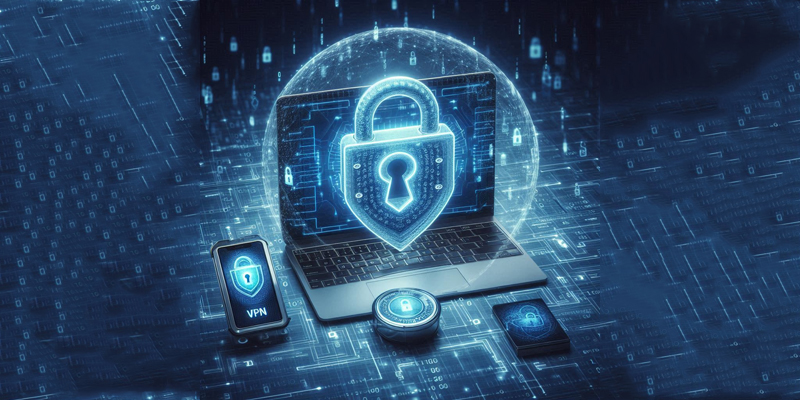
A VPN (Virtual Private Network) is a service that allows users to connect to the internet through a secure, encrypted private network. A VPN routes your internet connection through a server operated by the VPN provider, hiding your IP address and making your online activity harder for third parties to track, such as internet service providers (ISPs), governments, or hackers.
How a VPN Works
When you access the internet without a VPN, your data is sent over a public network that can be accessed by various parties. With a VPN, your data is encrypted before being sent to the VPN server, which then forwards it to its final destination. This process creates a secure "tunnel" between your device and the internet, protecting your data from potential threats.
Uses of a VPN
A VPN has various uses that benefit both individuals and companies. Here are the main uses of a VPN:
-
Privacy and Anonymity: A VPN hides your IP address, making your online activity harder to track. This is very useful for protecting your privacy while browsing the internet.
-
Data Security: A VPN encrypts data sent over the internet, protecting sensitive information such as passwords, credit card details, and other personal data from hackers and unauthorized parties.
-
Access to Restricted Content: Some websites and online services may be restricted based on geographic location. With a VPN, you can access content that is blocked or restricted in your country by connecting to a VPN server in the desired location.
-
Avoiding Internet Censorship: In some countries, internet access is controlled and censored by the government. A VPN allows users to get around this censorship and access the internet freely.
-
Public Network Security: Using public Wi-Fi networks, such as in cafes or airports, can be risky because they are easy to infiltrate. A VPN provides an additional layer of security, protecting your data when using public networks.
-
Improved Network Performance: In some cases, a VPN can improve network performance by reducing congestion and latency. This can be useful for streaming video or playing online games.
Conclusion
A VPN is an important tool for improving security, privacy, and accessibility when using the internet. By encrypting data and hiding your IP address, a VPN protects users from various online threats and allows access to content that may be restricted. For anyone who cares about digital security and privacy, using a VPN is a highly recommended step.