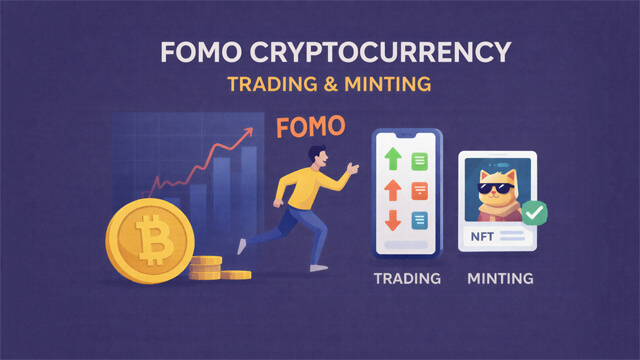
What Is Trading and How Is It Related to Blockchain?

What Is Trading?
Trading is the activity of buying and selling assets or financial instruments in the financial markets with the aim of profiting from the difference between the selling and buying price. Common types of trading include:
- Stocks: Buying and selling company shares on the stock exchange.
- Forex (Foreign Exchange): Trading the currencies of various countries.
- Commodities: Covers the trade of physical goods such as gold, oil, and agricultural products.
- Cryptocurrency: Trading digital currencies such as Bitcoin, Ethereum, and others.
Trading can be done over the short term (day trading, swing trading) or the long term (investing). People who trade, called traders, usually use technical and fundamental analysis to make trading decisions.
What Is Blockchain?
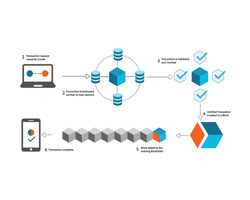
Blockchain is the technology underlying digital currencies, or cryptocurrencies. Put simply, a blockchain is a decentralized digital ledger that records all transactions that take place in the network. Each transaction is recorded in a "block" that is chronologically linked to the previous block, forming a chain that cannot be changed.
The main characteristics of blockchain include:
- Decentralization: No single authority controls the network. Every participant in the network has a copy of the entire blockchain.
- Transparency: All transactions are publicly recorded and can be verified by anyone.
- Security: Transactions recorded on a blockchain cannot be changed or deleted, making them very secure against manipulation.
The Relationship Between Trading and Blockchain
Trading and blockchain are closely related, especially in the context of cryptocurrency trading. Here are some ways blockchain affects trading:
- Digital Currencies: Blockchain is the foundation for various digital currencies such as Bitcoin, Ethereum, and others. These cryptocurrencies are traded on various trading platforms.
- Security and Transparency: Blockchain technology provides high security and transparency in trading transactions, reducing the risk of fraud and manipulation.
- Smart Contracts: Blockchain enables the use of smart contracts, which are self-executing contracts based on predefined code. These can be used to simplify the trading process and make sure transactions only happen when certain conditions are met.
- Decentralized Exchanges (DEX): Unlike centralized exchanges, DEXs let users trade digital assets directly with one another without intermediaries, which can reduce costs and improve security.
Conclusion
Trading is an activity focused on buying and selling assets to make a profit, while blockchain is a technology that provides the foundation for digital currencies and many other applications. The relationship between the two is most visible in the world of cryptocurrency, where blockchain provides a secure and transparent infrastructure for trading digital currencies. As blockchain technology continues to develop, more innovations are expected that will affect the way we trade in the future.